
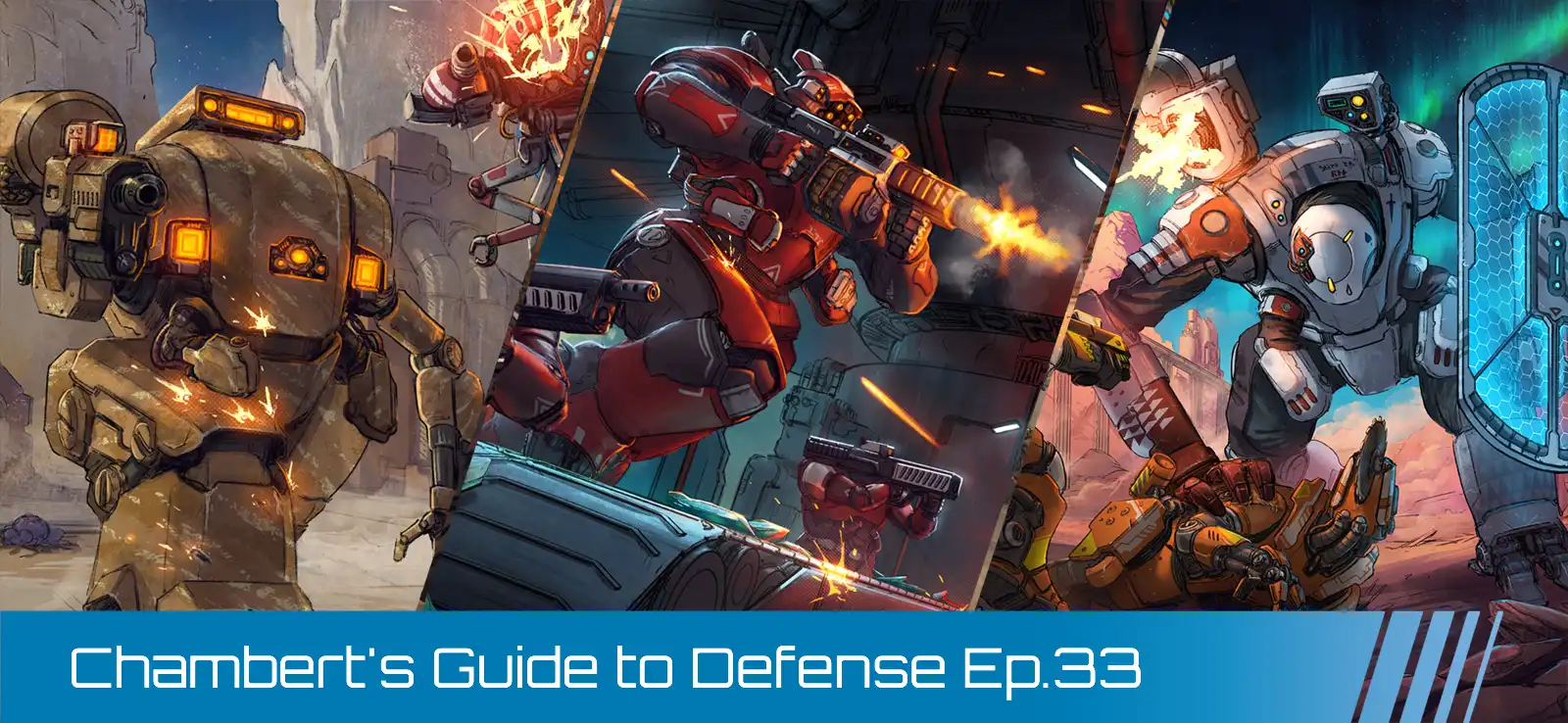
GuardCorps BK-12 Hounslow IM Shield
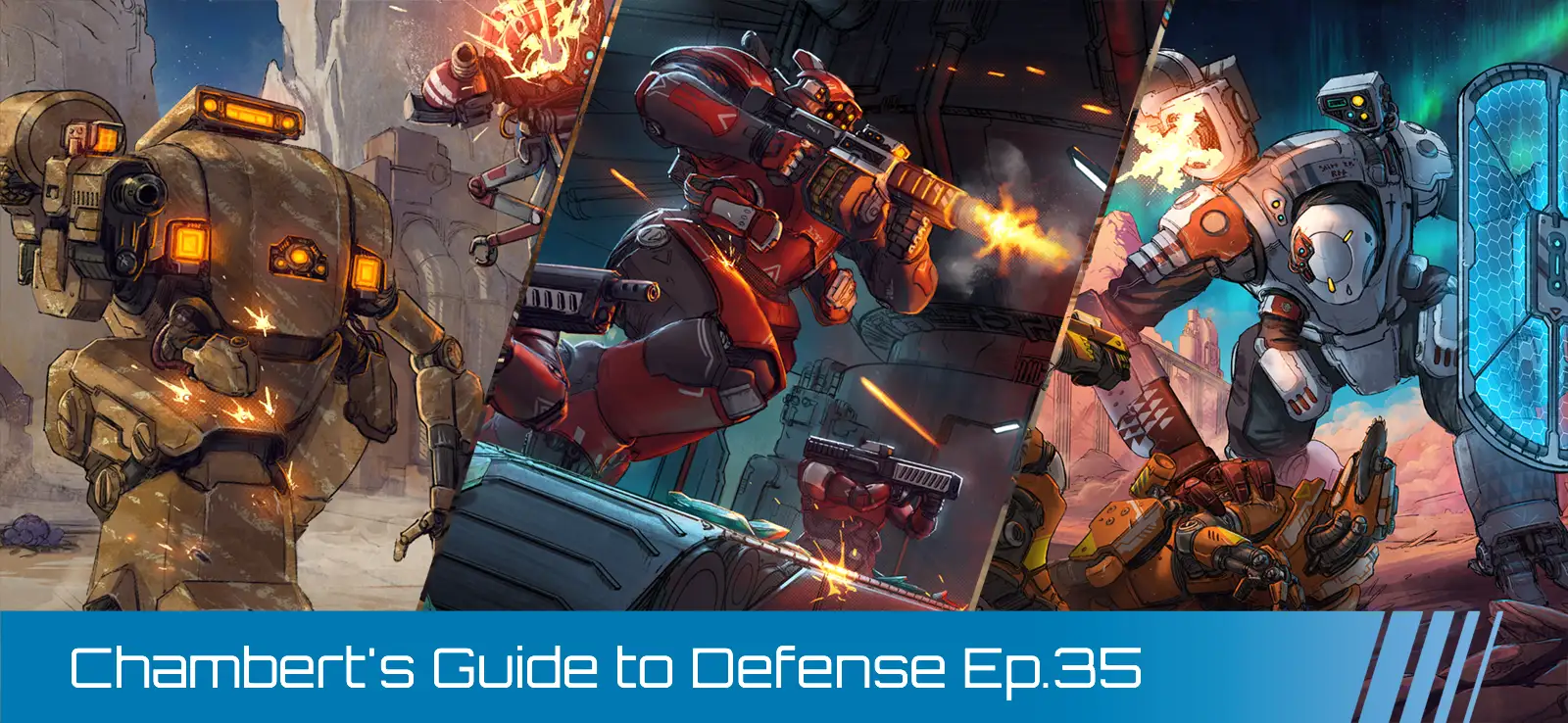
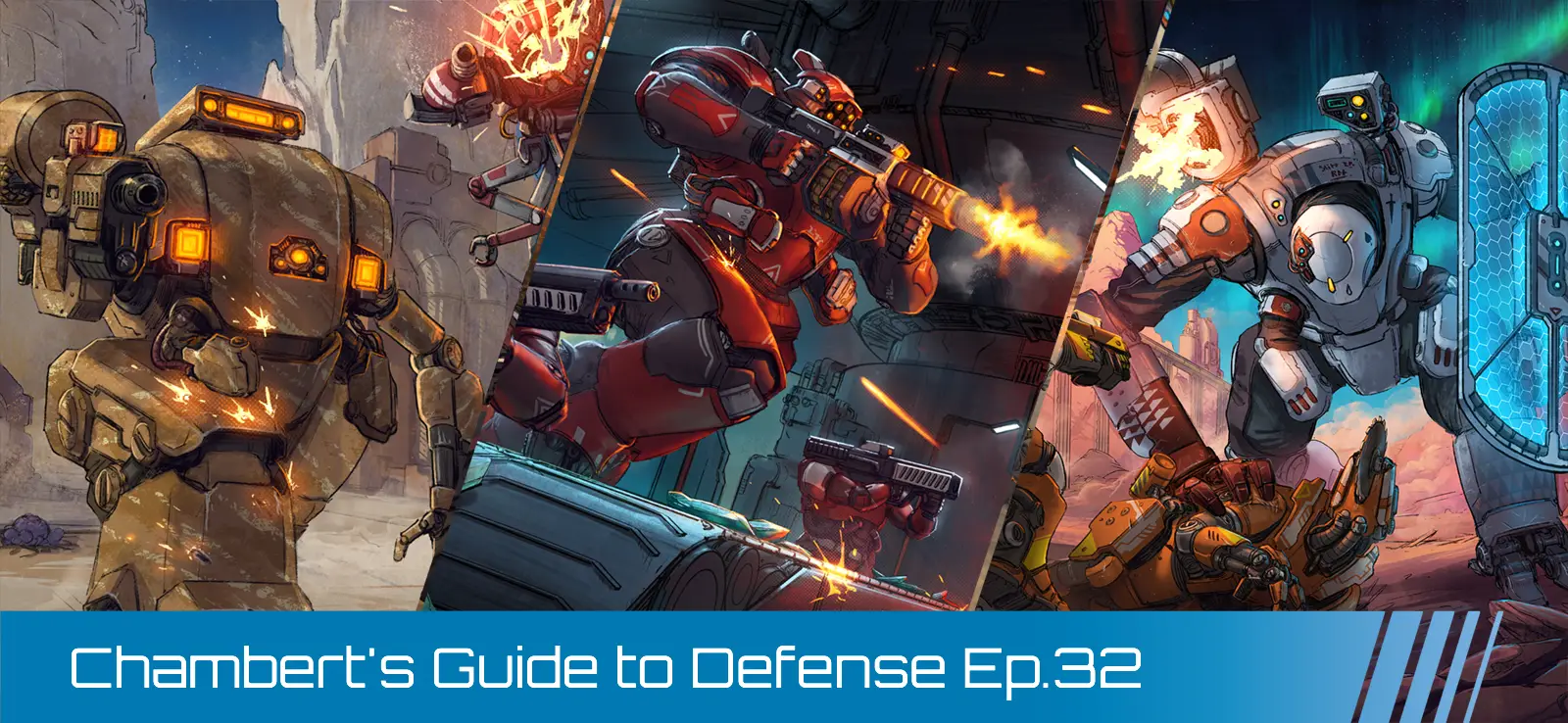
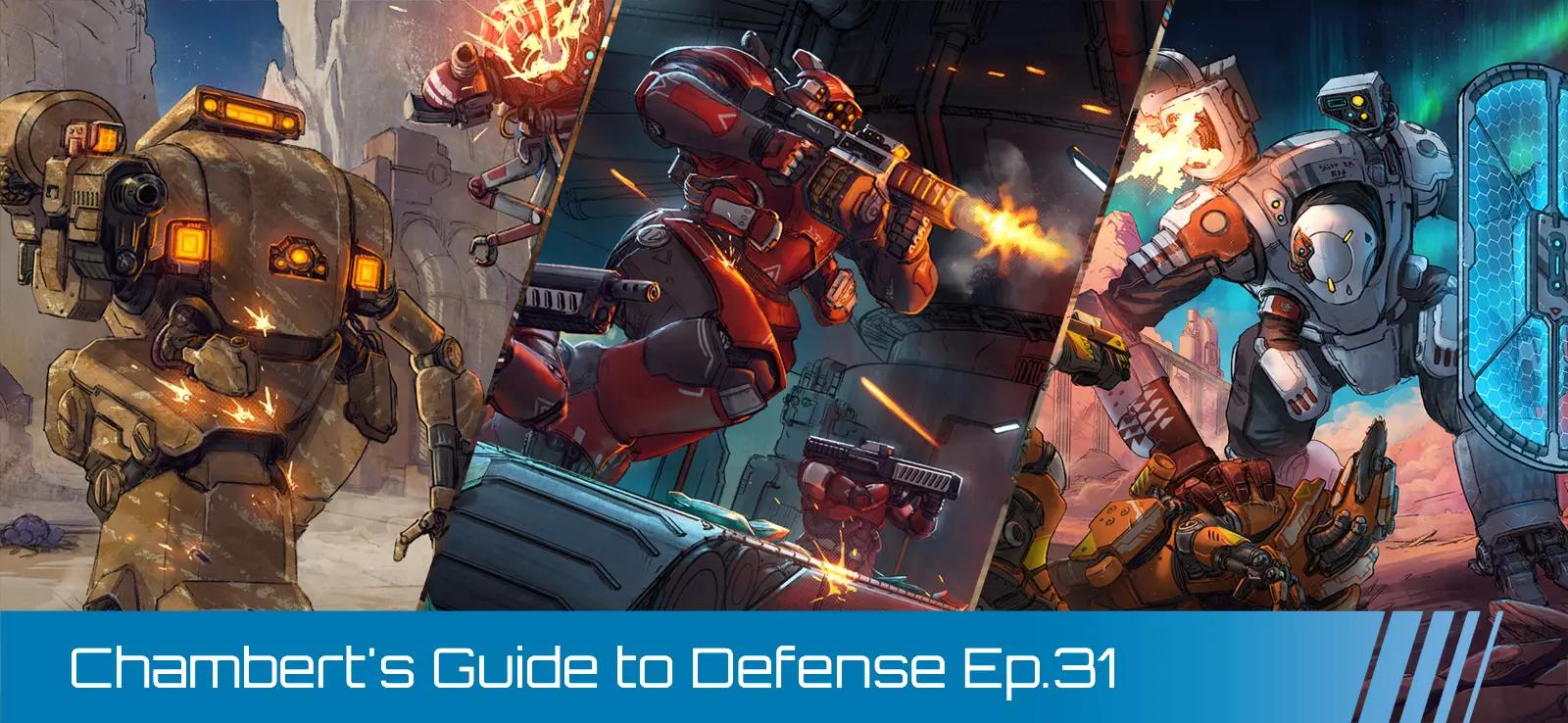
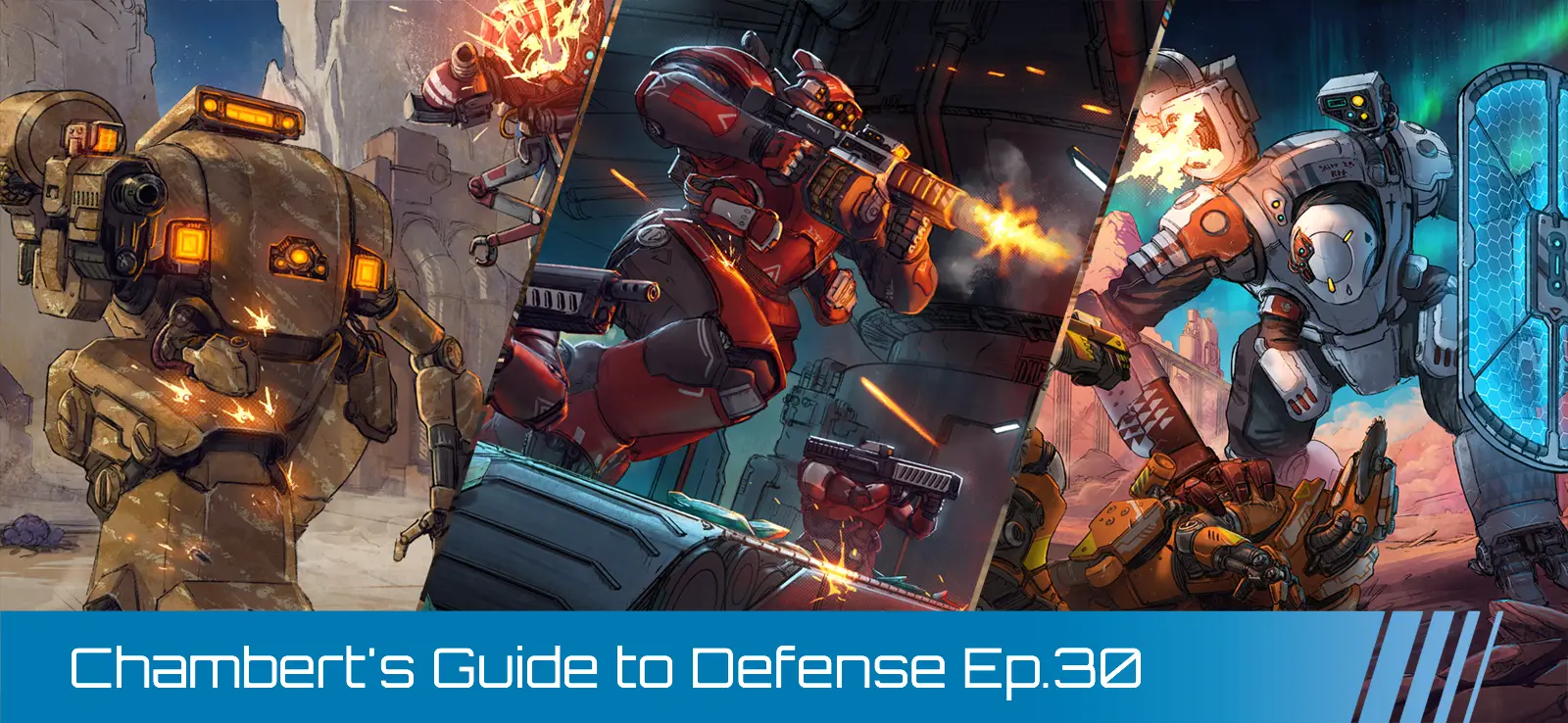
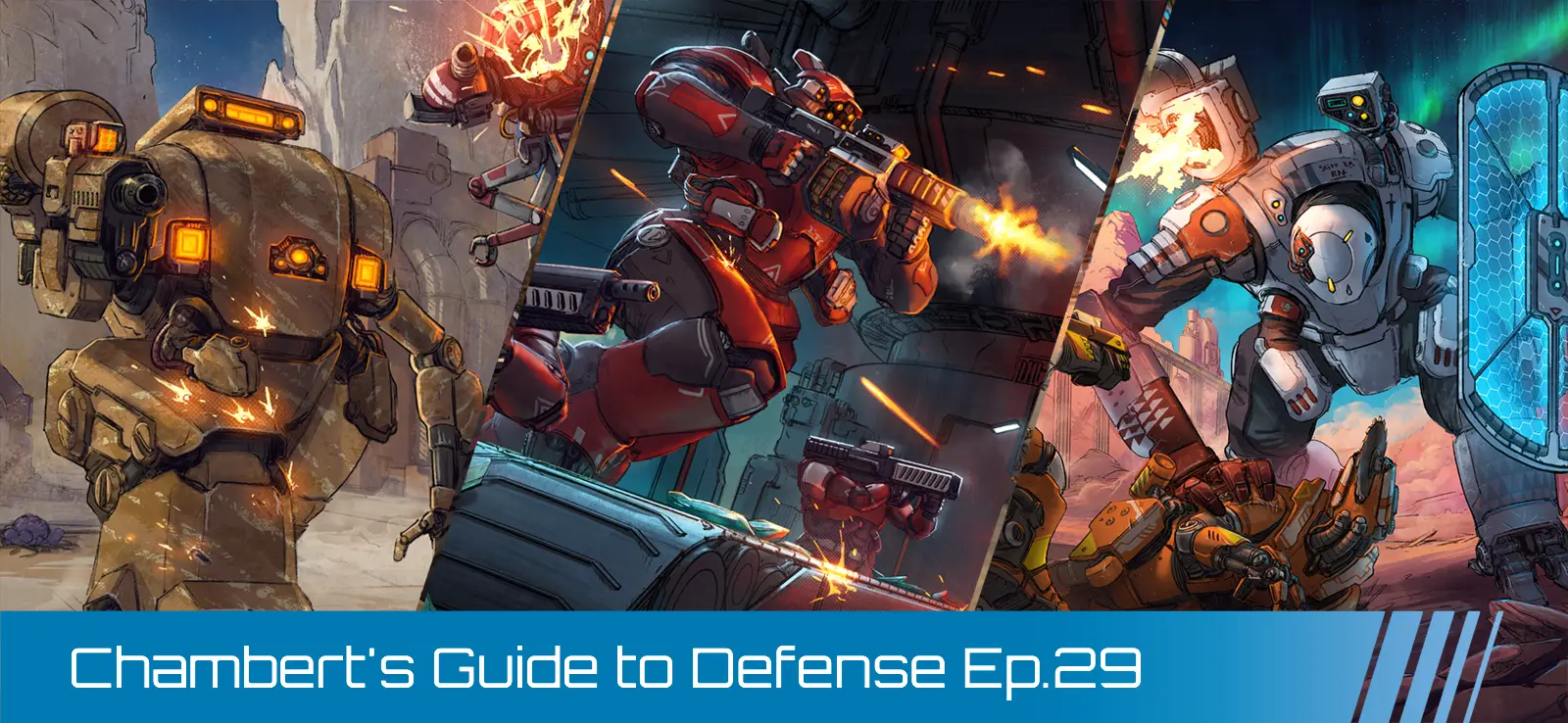
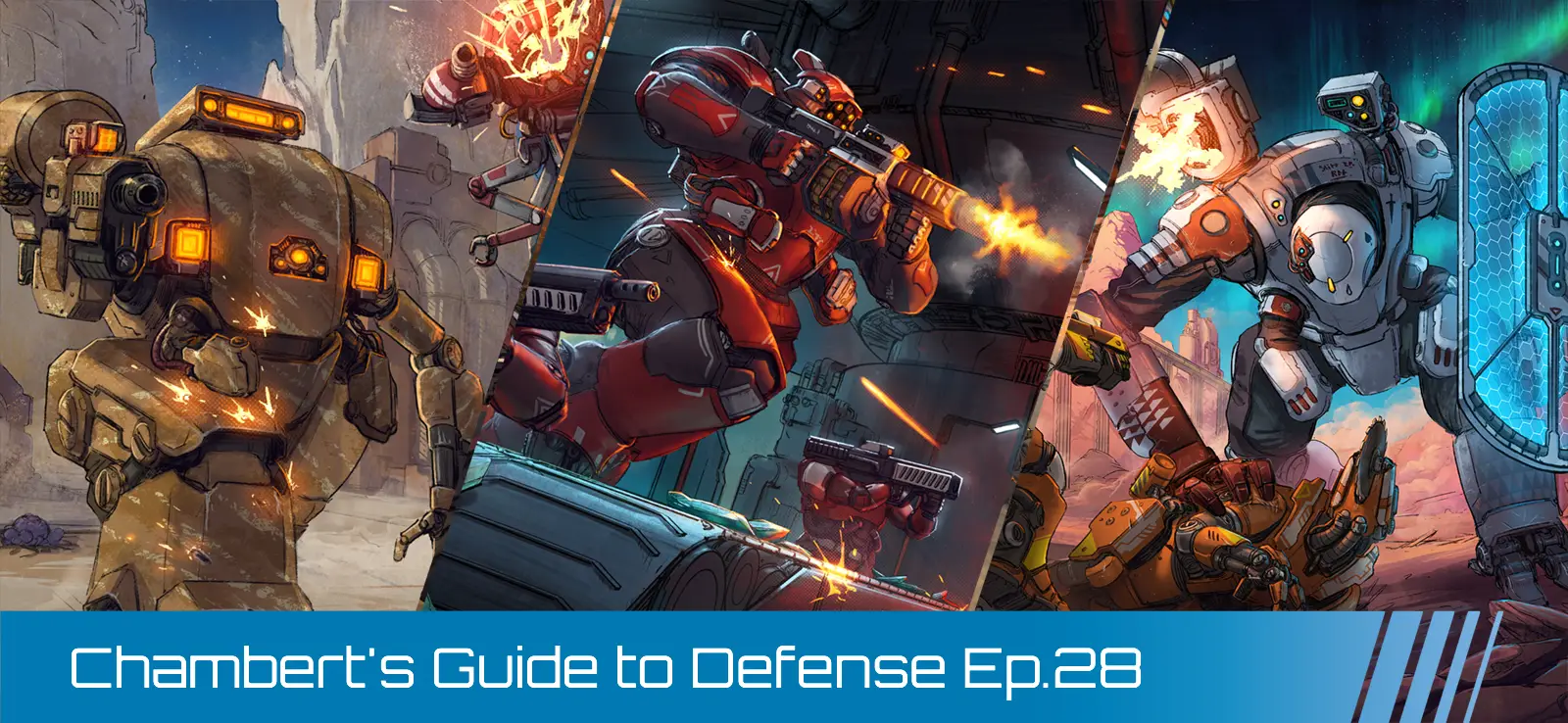
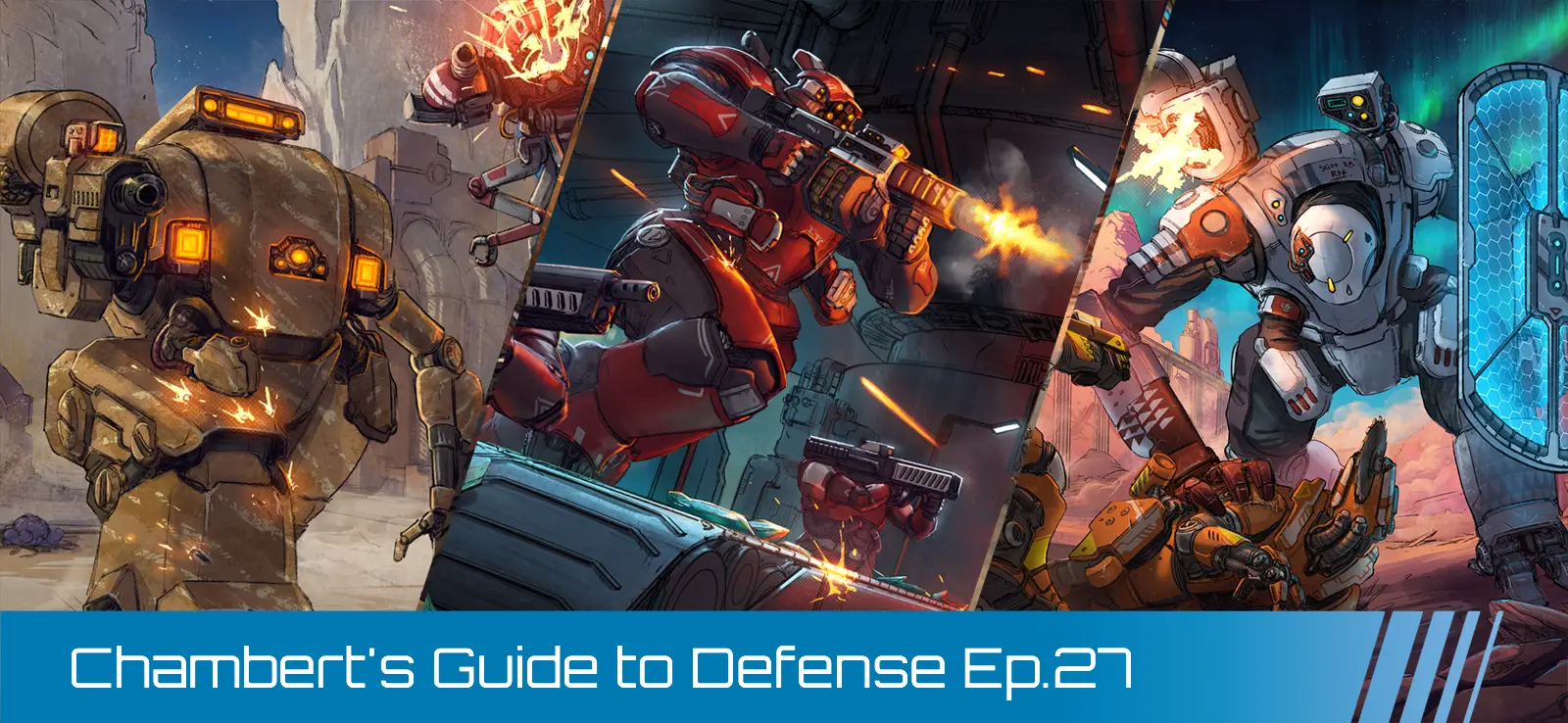
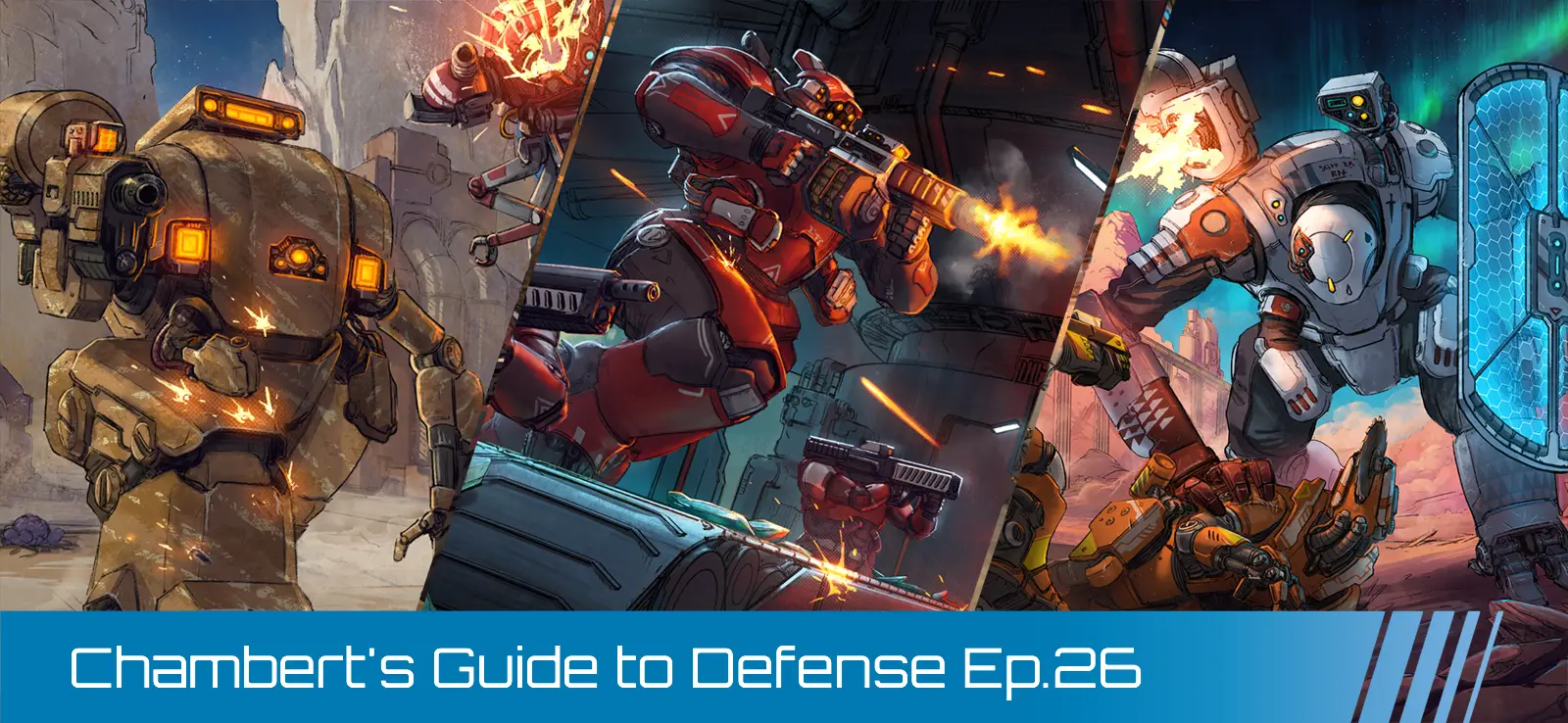
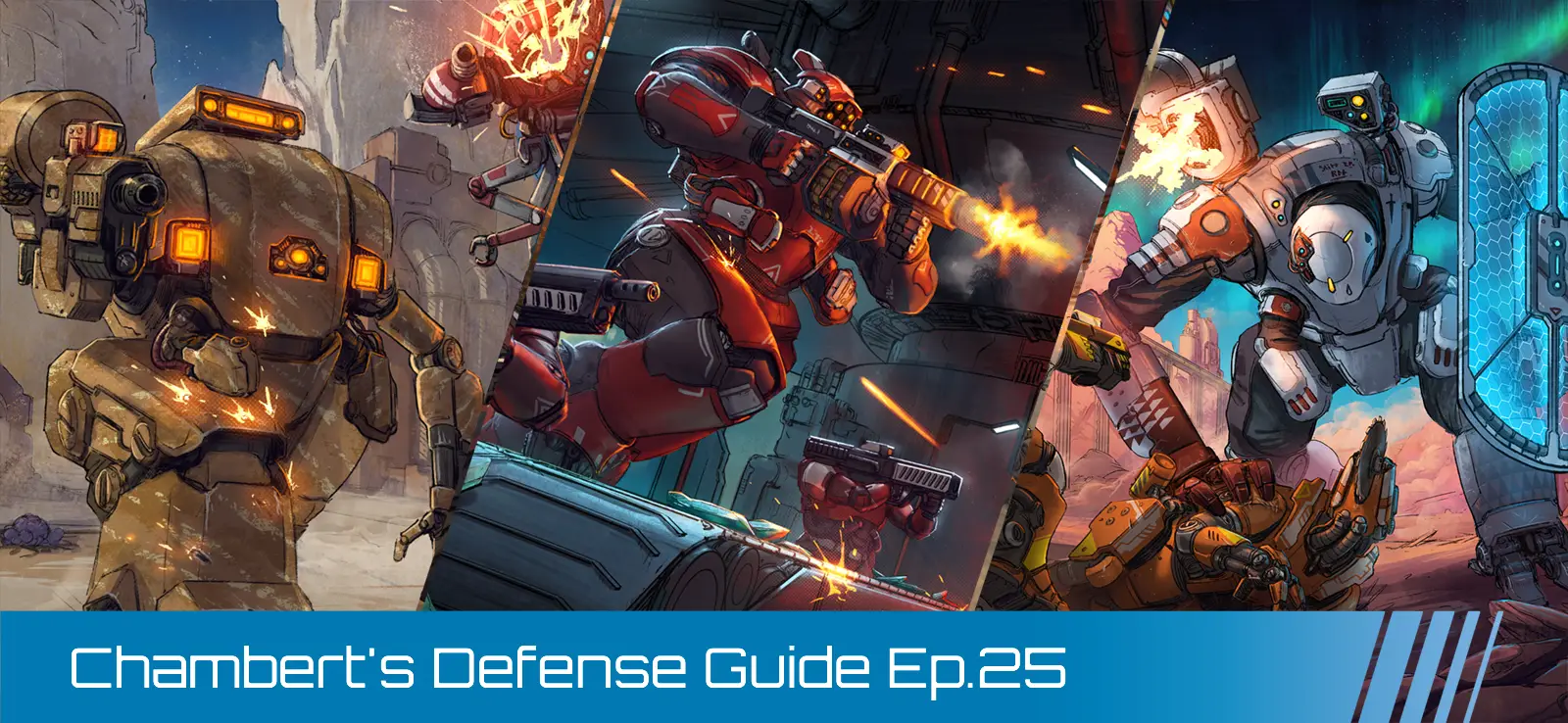
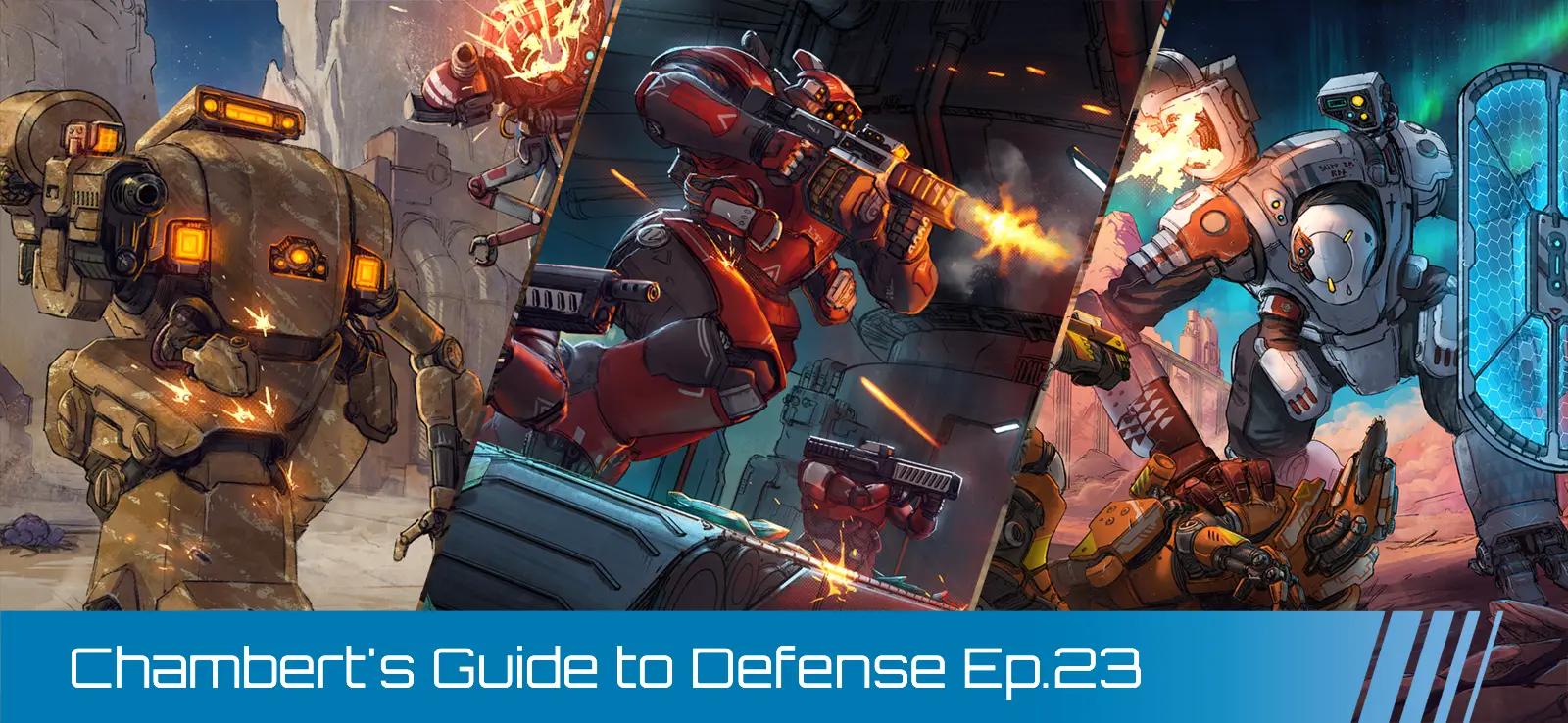
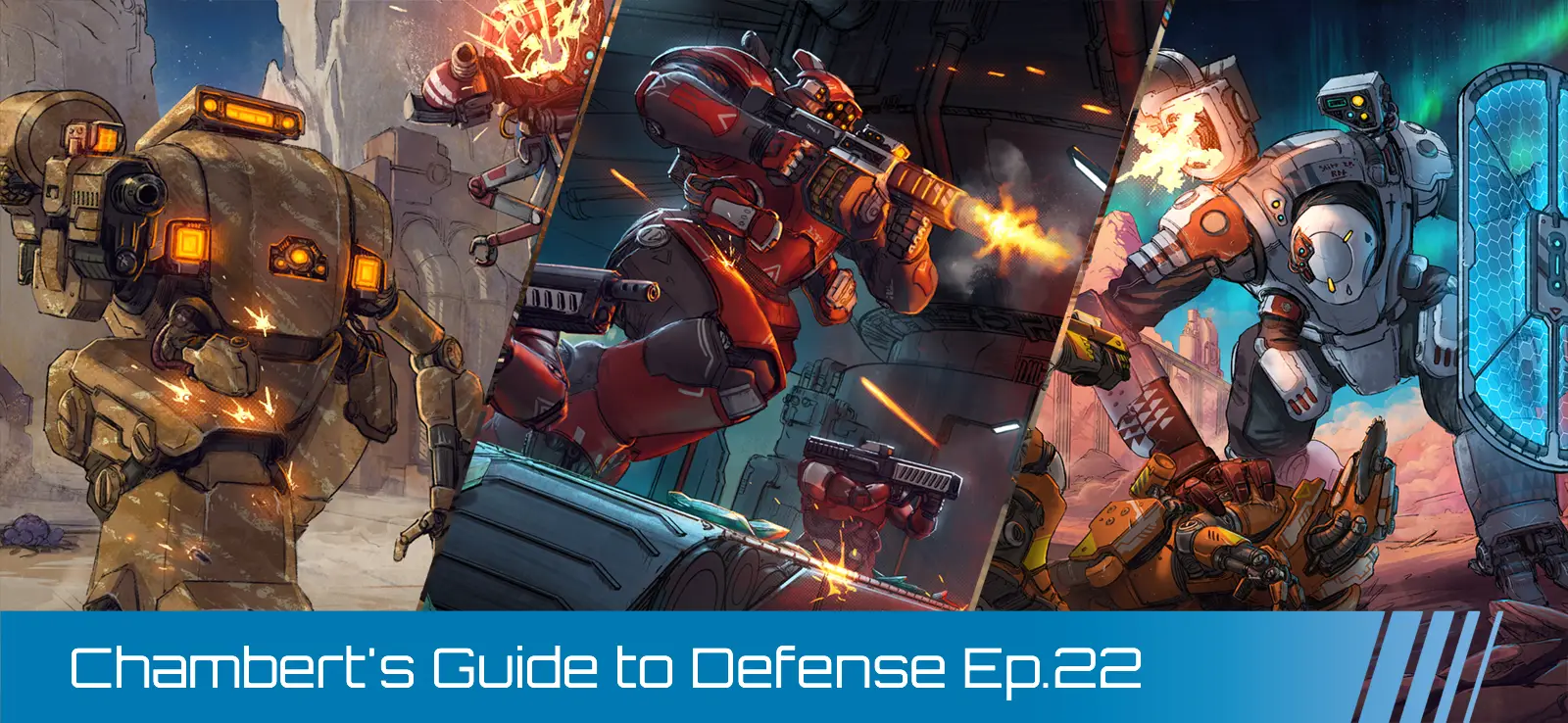
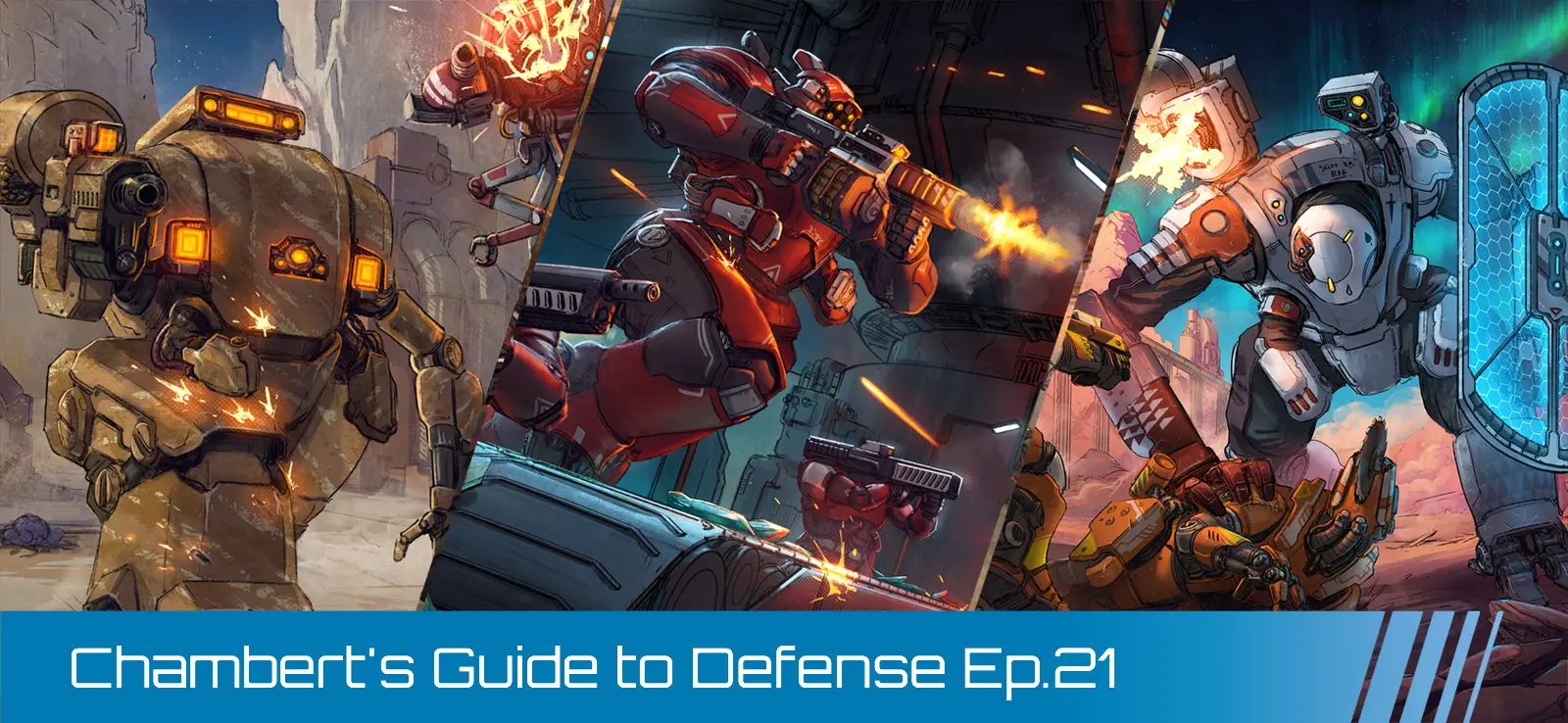
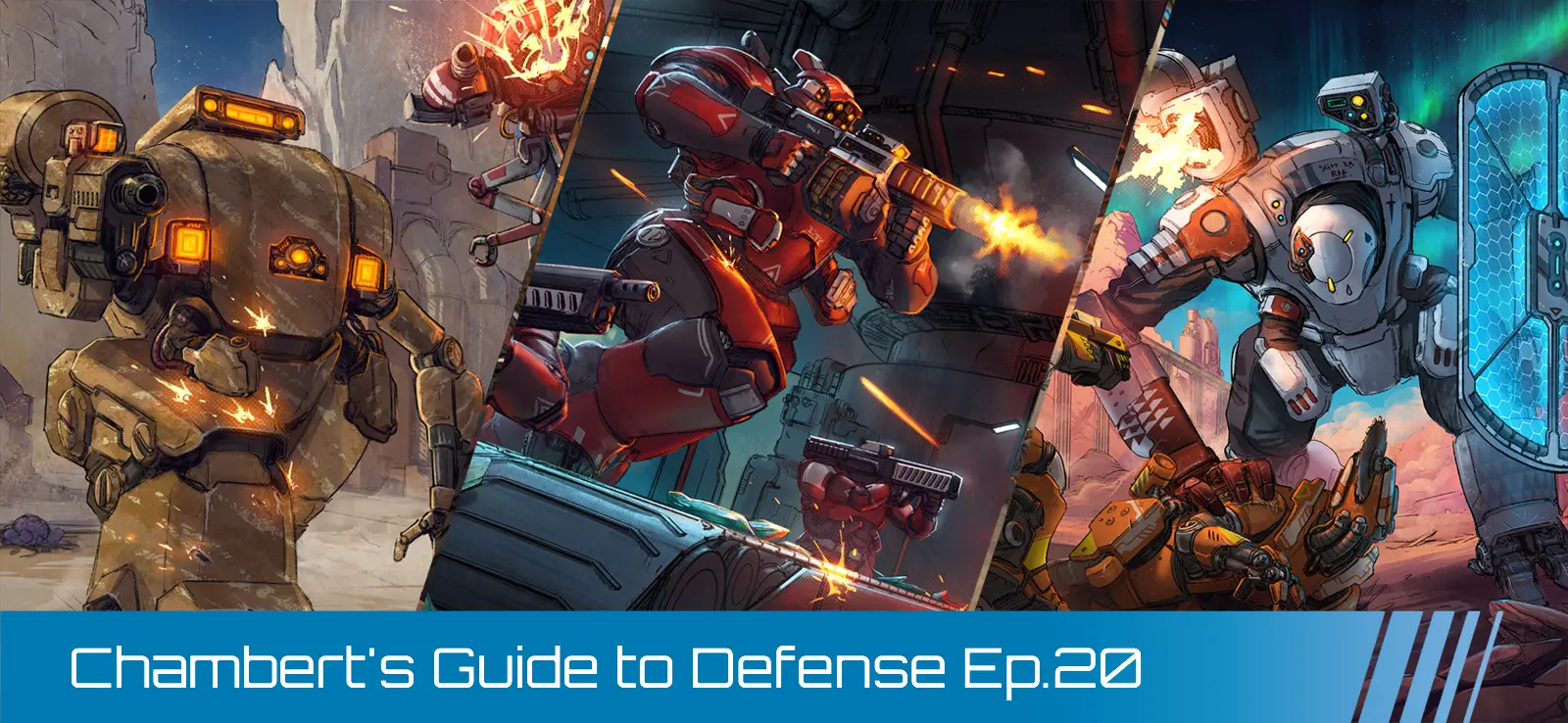
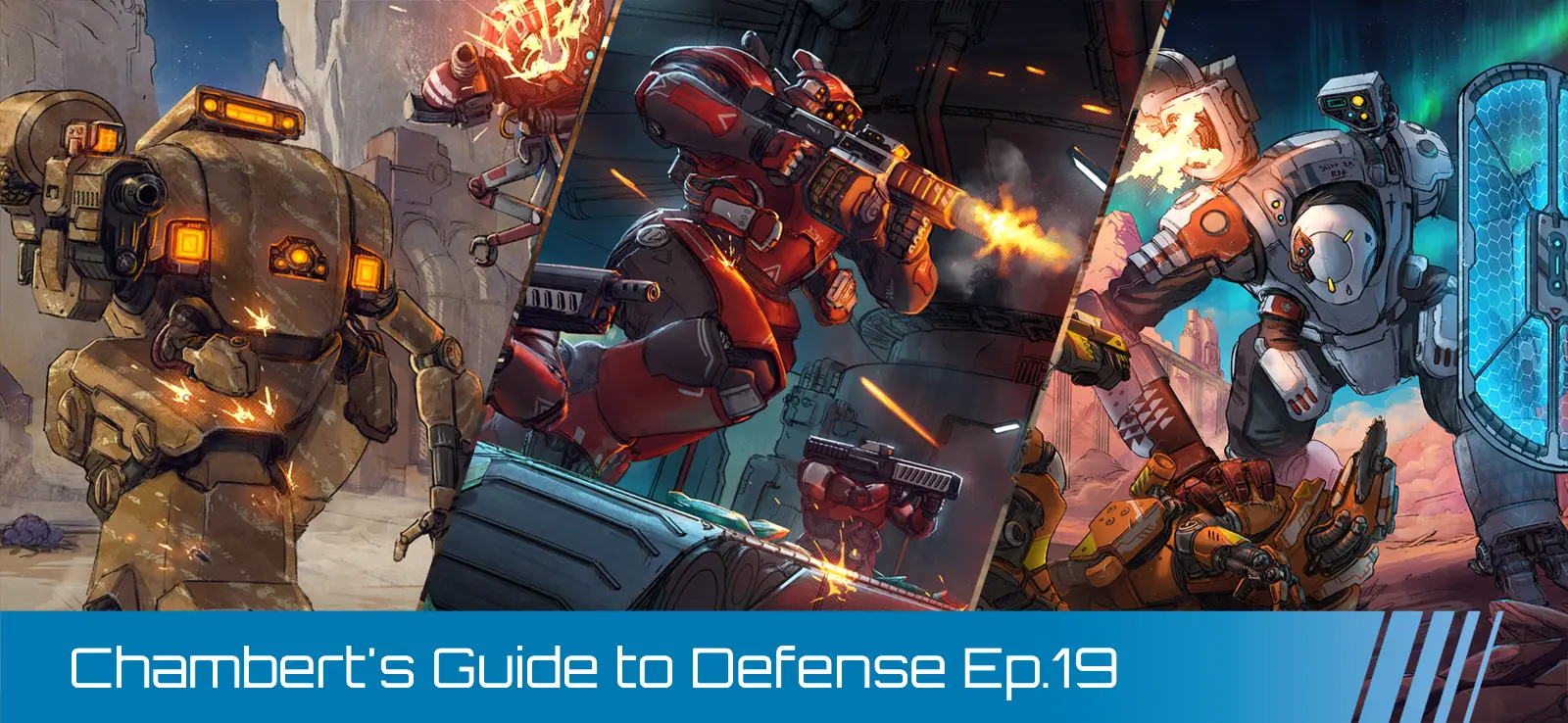
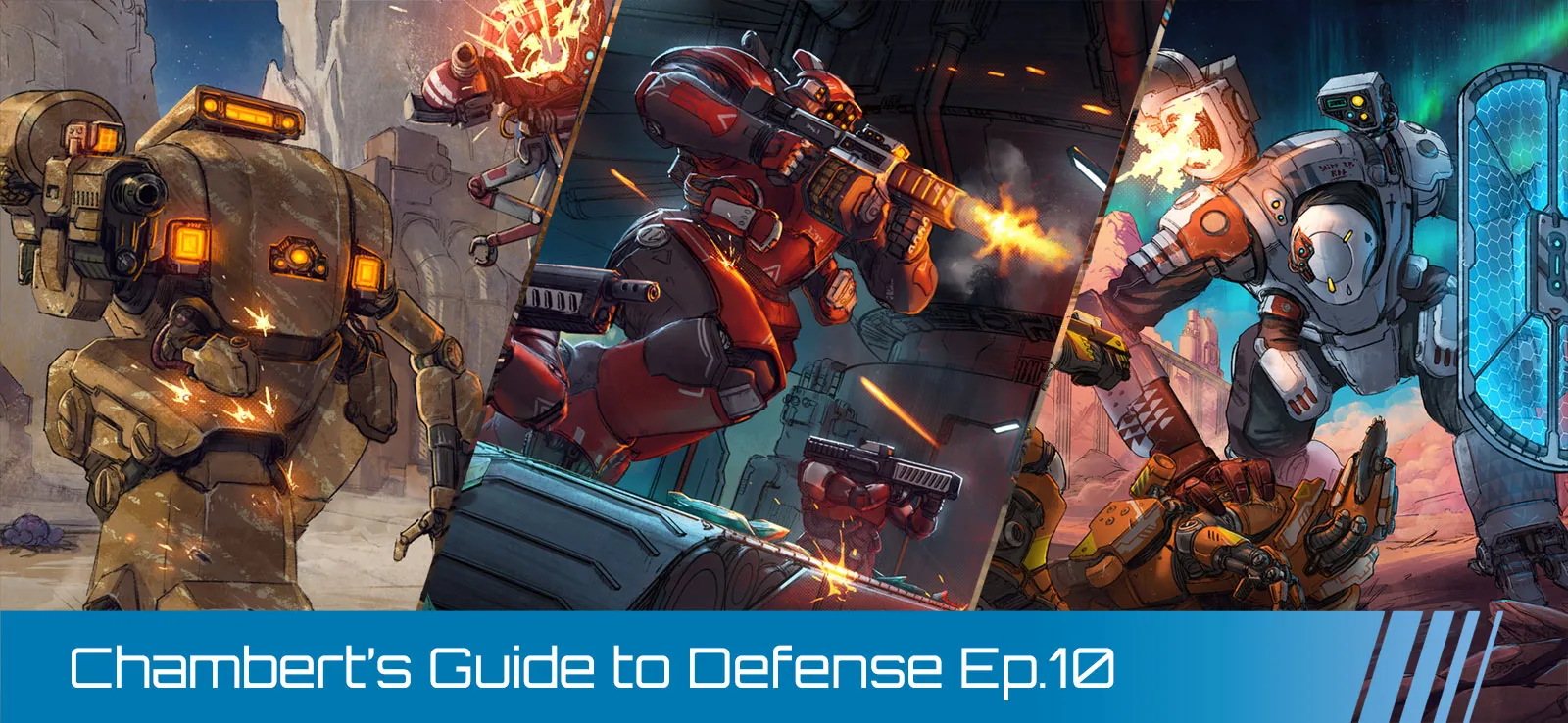
A number of long-running followers of my missives have contacted me to inquire about the apparent incongruity in the variety of weapon systems available to the Interhelios IHT-82 Sakura Battle class Combat Zeoform. Certainly, among the expected selection of more conventional rifles, cannon, and combat launchers (more detailed examinations of which may be found in my prior missives), one weapon does stand out as unusual, even unique, so they are very much correct in their observations. The weapon in question is the BK-12 Hounslow IM Shield. I have to say this is a rather personally satisfying topic for me to examine as I have always felt that the Hounslow shield stands out as a particularly innovative piece of zeoform systems design and engineering.
The first remarkable feature of the Hounslow shield is that, in this age ruled by design committees, oversight bureaus, and dedicated systems, it is the creation of a single individual, Rijkar Hounslow. As a child, young Rijkar, a scion of the Azuric Hounslows, became obsessed with combat zeoforms as many children do. Over time, however, the childish obsession did not fade away or center on becoming a zeoform pilot, as most do, and instead matured into a febrile engineering genius for zeoform systems engineering. Rijkar contracted with Unitas and then broke away along with several other talented individuals to form a new design bureau under Interhelios, who quickly began maturing early design specifications for the new Sakura Battle class Zeoform.
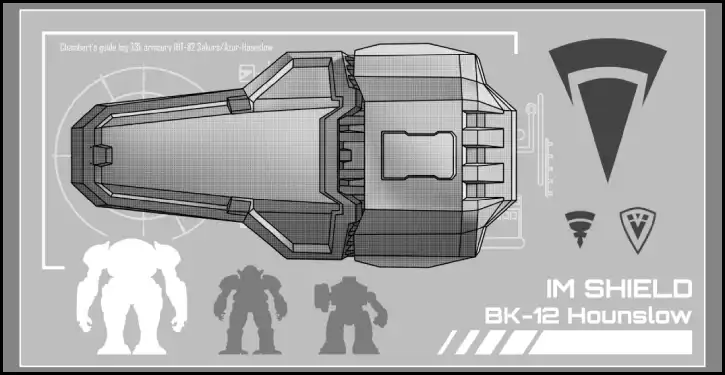
GuardCorps' Battle class minimum specifications included a wide range of potential weapon options, far too wide to be adequately considered before the prototype deadline arrived. Hounslow, being still a young man with a need to prove himself, offered to draft plans for three weapon systems in a single work cycle—a task normally challenging for a team or expert system working in a time frame best measured in orbits. To the incredulity of his colleagues, Rijkar followed through with a design that elegantly combined three weapon systems into one: a ballistic shield, a multiple rocket launcher, and a melee weapon. It would have been natural to promise such a chimerical weapon and then deliver a device which performed poorly in one or more areas, but the Hounslow shield’s design in fact balances these contrasting requirements very well indeed.
Discussing one piece of the Hounslow shield at a time is something of a disservice, as the integration of each forms some of the magic at work in the Hounslow, but I shall nonetheless make the attempt. The shield itself is a flared section of auxiliary hard shell plating carried by an upper limb actuator, divided to allow maneuver flexibility with an electromagnetic hinge arrangement. It shares many material properties with the Sakuara's protective shell plating, although it is notably thinner and flatter to simplify construction. The thinness is derived from discarding a number of armour layers of more marginal protection in favour of a simplified triple- layer approach. There is an assumption made that the shield can and will be penetrated, but it has done its work if it notably dissipates the intensity of the attack before it reaches the zeoform's own armour layers.
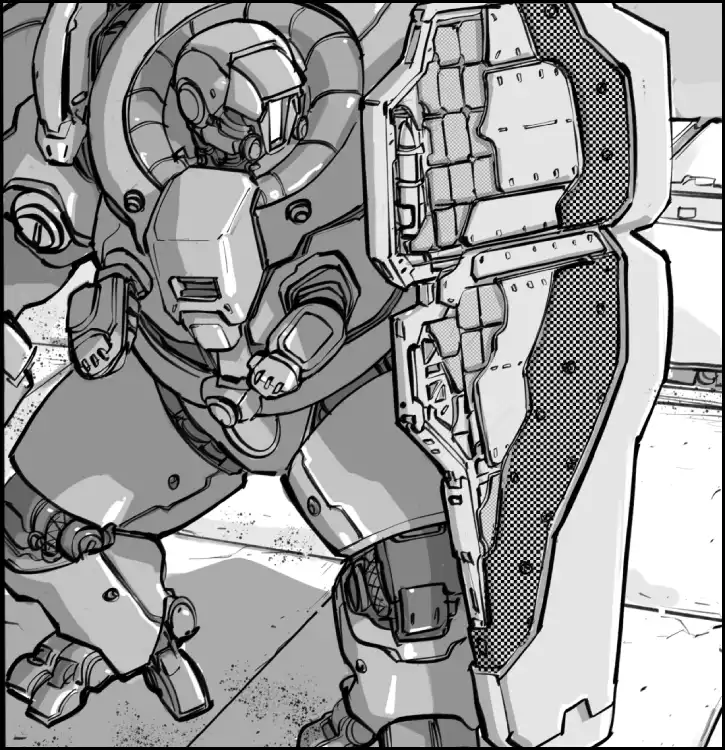
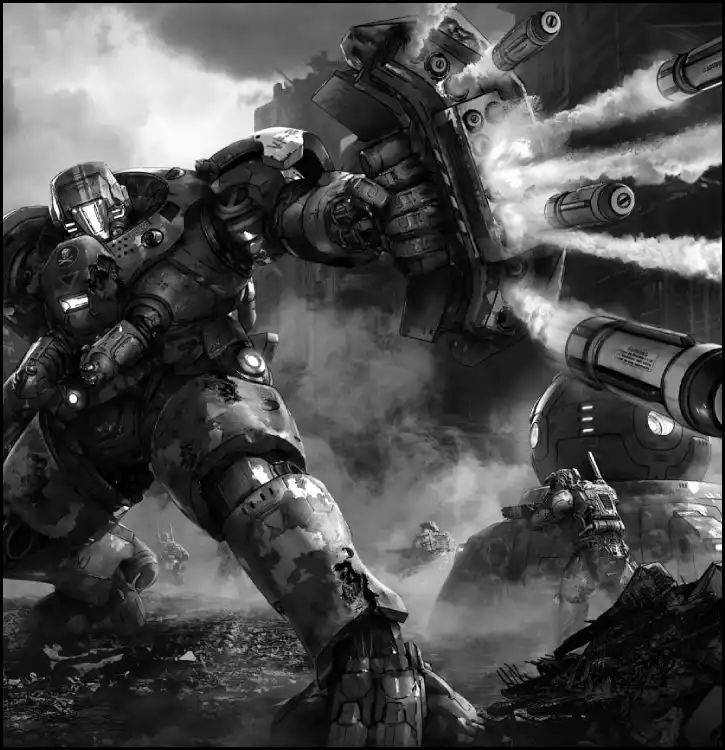
Armored housings on the inner surface of the shield protect the second component: nested racks of twenty blast-effect micro-rockets with triazine-based warheads. These are very simple, stable little pieces of ordnance with a fast burn rate and short range. They are rigged to launch in salvos, and may be selected to launch anything between pairs at minimum to anywhere up to twenty at once via electrical ignition. I'm assured that pilots typically expend six to eight rockets at a time to preserve their ammunition supply. The Hounslow copies the CQB 7 and 8 series’ weapon strips to allow several rockets to be stacked one behind another in the same housings, separated by ablative punchout fire walls. This allows for a maximum load of sixty to eighty rockets, although in practice I believe loading forty or less is felt to keep the overall weight down and maintain maneuverability.
Lastly, there is the melee combat component, and here it can be argued that Rijkar cheated a little, as the melee component is the shield itself. This may be forgiven, however, as I am told the shield is designed in such a way that makes it a very serviceable melee weapon and not a mere improvised slab for slamming opponents with. The Hounslow shield takes full advantage of the powerful upper limb actuators fitted to the Sakura to transfer kinetic energy directly into a strike delivered with either the edge or flat portions of the shield. The hinged shield particularly plays into this as it aids rapid, precise movement and can be momentarily snapped into a rigid configuration via the electromagnet hinge to deliver strikes with maximum impact. Bereft of any cutting surface or energy blade, shield strikes are not intended to breach zeoform armor directly; rather, the transfer of energy is powerful enough to disable internal components via a shock-induced system overload.
Overall, the Hounslow is a formidable combined weapon and defensive system, largely free of the compromises that ruin most such attempts. All respect must be paid to R. Hounslow for such an achievement, wherever it is that he may now be.
One of the most respected analysts, known both for highly detailed breakdowns and post-engagement evaluation as well as more informal “pop” texts is “Drew Chambert” (a nom de plume). Little is known about this writer except it is evident they are or have been a zeo designer, possibly even a pilot at some point, and have some quite deep connections into both Pact and GuardCorps operations. Their writings and audiocasts are available across all one hundred heliospheres to a greater or lesser extent.




.webp)
.webp)
































.webp)


